
How do you facilitate a decision you personally disagree with?
Sooner or later the group lands on an answer you would not have chosen, and you are the one holding the marker. What you do next decides whether the room trusts you on the next hard topic. You can stay neutral, state your view openly, or step out. Each is honest, and only one fits at a time.
By McKinley Malbrough III, J.D., MS-HRM. Published November 7, 2026.
Short answer
Separate your role from your opinion. If you are facilitating, protect the process: make the criteria visible, hear every view and record the decision accurately. If you cannot stay neutral on this one, say so and hand the facilitation to someone else, then speak as a participant. Raise a concern about harm or legality through the proper channel, and never use the facilitator's chair to steer the outcome. The matching tool is the Hard Conversation Scripts for Managers.
Built for this situation
Take it with you
Online Facilitation Skills gear
Made to order. Returns terms are on the Refunds page.See all gear

What client problem does this solve, and which tool fixes it?
The client problem. A manager or HR partner is asked to roll out a decision they opposed. If they push back badly, trust breaks. If they comply in silence, the resentment leaks into how they carry it out.
How this article fixes it. This article separates your role from your opinion, gives a checklist for running a fair session, and shows when to speak, when to step out and when to raise a concern through the proper channel.
The tool. I built the Hard Conversation Scripts for Managers ($9) for this. It gives you fifteen word-for-word scripts built on a six-step frame (open, describe, impact, ask, agree, follow up), a prep sheet and a follow-up note template, which covers the debrief with the person who disagreed. The Manager Conversation Bundle ($15) adds stay interview and one-on-one templates.
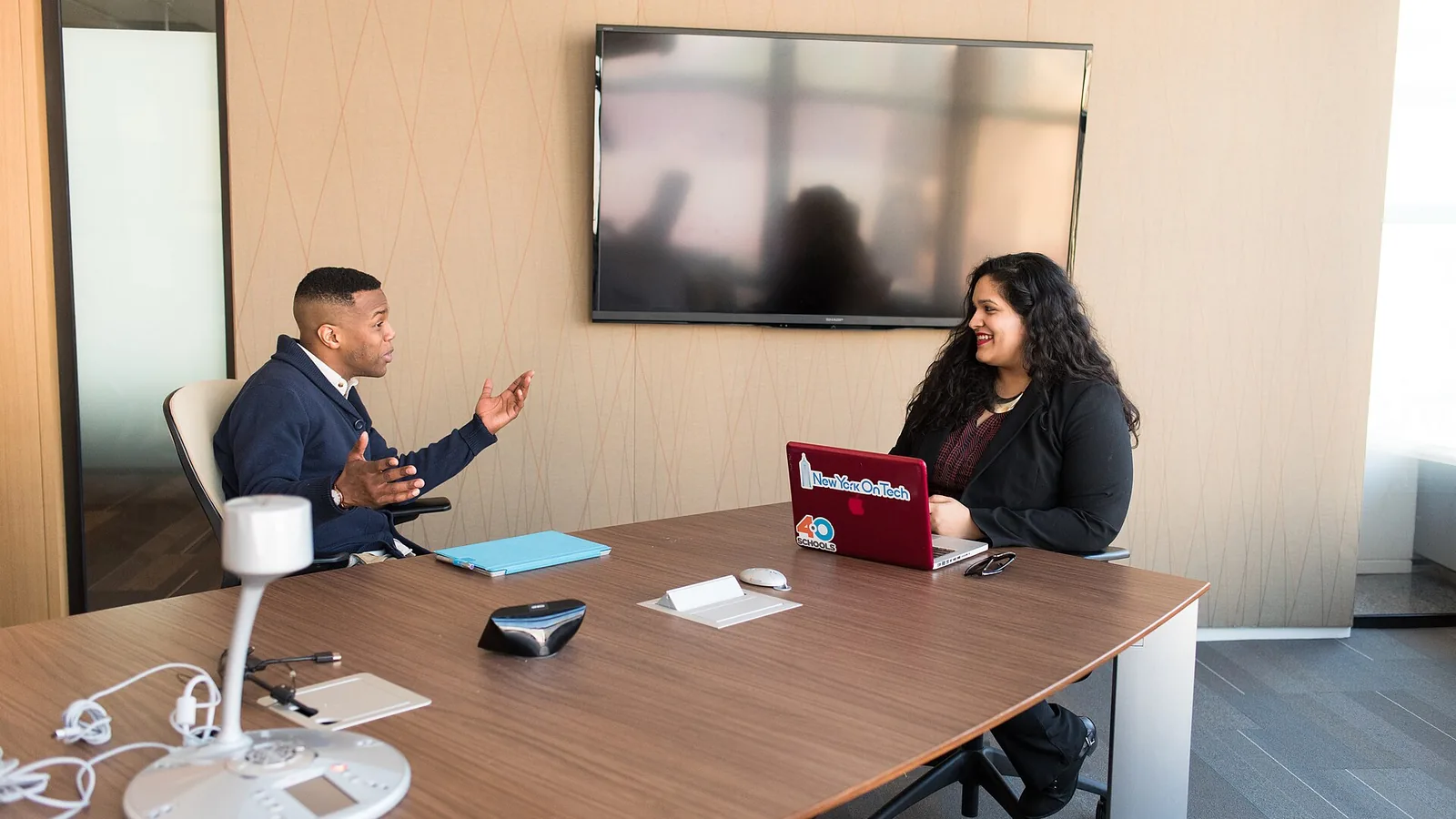
Is it ever acceptable for a facilitator to hold a view?
Yes. Neutrality means you do not use your position to push the content. It does not mean you have no opinion. The trouble starts when your view leaks through the process: which options you write up, how long you give each speaker, which objections you summarize and which you skip. The room feels the lean even when no one can name it.
A useful test is to ask whether you would run the session the same way if the group were heading toward the answer you prefer. If not, the process has already been bent. For the wider craft of group decisions, read how to facilitate group decisions online.
Which three choices do you have?
You can choose one of three honest positions, and the choice should be explicit:
- Stay neutral: you run the process and keep your view out of it, because the group's ownership matters more than your preference
- Disclose and facilitate: you say plainly that you have a view, you do not advocate it, and you invite the group to challenge the process if they see a lean
- Step out: you hand the facilitation to someone else and take part as an ordinary participant, which is right when you hold a stake or a strong conviction
Stepping out is not a failure. It is the most respectful option when the outcome touches you personally, and it keeps the facilitator role clean for the next session.
What do you do in the room while the group heads somewhere you oppose?
Keep to a short checklist and stay in it:
- Restate the decision criteria and ask whether the proposed option meets them
- Ask who has not spoken and give them a direct, low-pressure way in
- Ask the group to name the strongest objection to its own preferred option
- Check for hidden constraints, such as a budget or a legal requirement, that were not said
- Summarize the decision in the group's words and ask for corrections before you record it
Questions are the safe form of influence, but only when you would ask them of any option. If a question only gets asked about the choice you dislike, you are steering. When a stall appears, what to do when nobody talks has moves that do not tilt the room.
What words keep you honest when you speak up?
Mark your role change out loud. Say “I am going to step out of facilitating for a minute and speak as a participant,” make your point once, and step back in only when the group agrees. Avoid sentences that smuggle a view inside a question, such as “Are we sure we want to do that to our people?”
If you carry out a decision you disagreed with, the standard is simple: you stated your concern at the right time, you recorded it if the format allows, and you carry out the decision faithfully. Quiet sabotage is the one response that is never acceptable. The person who takes over the room shows the same trap from the other side.

When should you refuse to carry the decision out?
Disagreement about strategy is normal. Concern about harm or law is different. If the decision would break a law, violate a company policy or put people at risk, do not simply facilitate it and move on. Raise it through the proper channel, such as legal counsel, a compliance contact or senior leadership, and put the concern in writing. This is general information, not legal advice, and an employment attorney can speak to your specific situation.
Between those poles is a wide middle: decisions you think are weak but lawful. In that middle, state your view once, then honor the outcome. That discipline is what lets you stay in the room for the next decision.
How do you debrief with a manager who disagreed?
Hold the conversation within a day, while the decision is fresh. Ask what they would have chosen, what they are worried about and what would tell them early that the concern is real. Agree on the one signal you will both watch, and agree when you will look at it again.
That turns a loss into a test and keeps the objector in the work. For scripts that handle the awkward moments, I built Hard Conversation Scripts for Managers ($9), and the Manager Conversation Bundle ($15) adds stay interviews and one-on-one templates. For a live practice room, see Where Sessions Break.
Protect the process, then protect your voice
A facilitator who can run a fair session on a decision they oppose is a facilitator people bring the hard topics to. Name your role, ask questions you would ask of any option, record the outcome in the group's words and use the proper channel when the issue is harm or law. The tool that does the repeating work for you is the Hard Conversation Scripts for Managers.
To practice this with a coach and a room of peers, Book a course and choose a session on hard moments.
Keep going
More on live delivery
Facilitate group decisions online
The methods behind a fair outcome.
The person who takes over the room
When one voice steers.
When a live session goes wrong
Recover without losing trust.