
Field notes / Practice
The Retrospective Nobody Acts On Is Worse Than No Retrospective
A lessons-learned session that produces a list nobody owns teaches the team something, and it is not what you meant to teach.
By McKinley Malbrough III, J.D., MS-HRM. Published October 21, 2026.
Short answer
A retrospective that produces a list nobody owns teaches the team that speaking up is theater, which is worse than not holding one. Make it work with three or fewer commitments, one owner and one date each, a check of last time's commitments before any new topic, and an end date for the ritual if it stops producing change.
Built for this situation
Take it with you
Online Facilitation Skills gear
Made to order. Returns terms are on the Refunds page.See all gear

The list nobody owns
Most retrospectives I have seen end the same way. The group spends an hour naming what went wrong, someone captures it on a board or in a document, and everyone leaves feeling better for having said it. Two weeks later the list is still there and nothing on it has moved. At the next one, the same items come back, slightly reworded.
I think this is a worse outcome than not holding the meeting. A team that never meets to review its work has no expectation that anyone will act. A team that meets, speaks honestly and watches nothing change learns something specific: that candor is cheap and ignored. The next time someone has a hard truth to share, they will remember.
What the ritual teaches
A lessons learned meeting makes an implicit promise: what you say here will be used. Every time the promise is broken, people adjust their behavior to match what actually happens. They stop raising the difficult item, they soften the one they do raise, and they begin to treat the meeting as an obligation. By the fifth session the retro is a calm hour of agreeable comments.
This is how a retrospective becomes theater, and it is why I treat team retro follow through as the real work. The conversation is the easy part. What decides whether the next one is honest is whether people saw the last one change anything. The same dynamic shows up in the compliance rooms I write about in the manager who freezes: a process that does not connect to what happens next teaches people to perform it, not use it.
Three or fewer commitments
The first fix is subtraction. A retrospective that works leaves the room with three commitments at most. Not three themes, not three lists of five: three things that will be done.
The limit is what makes it honest. A long list lets everyone feel heard and lets no one be accountable, because nobody can hold fifteen items in mind and nobody will be blamed for the ones that slip. Three forces a choice. The group has to decide what matters most, which is itself the hardest and most useful part of the conversation. Everything else goes on a list that is labeled as not committed, so nobody mistakes it for a promise. That parking list is not a graveyard. Some of those items will become next month's three once the first three are done, and some will quietly stop mattering, which is information too.

One owner and one date
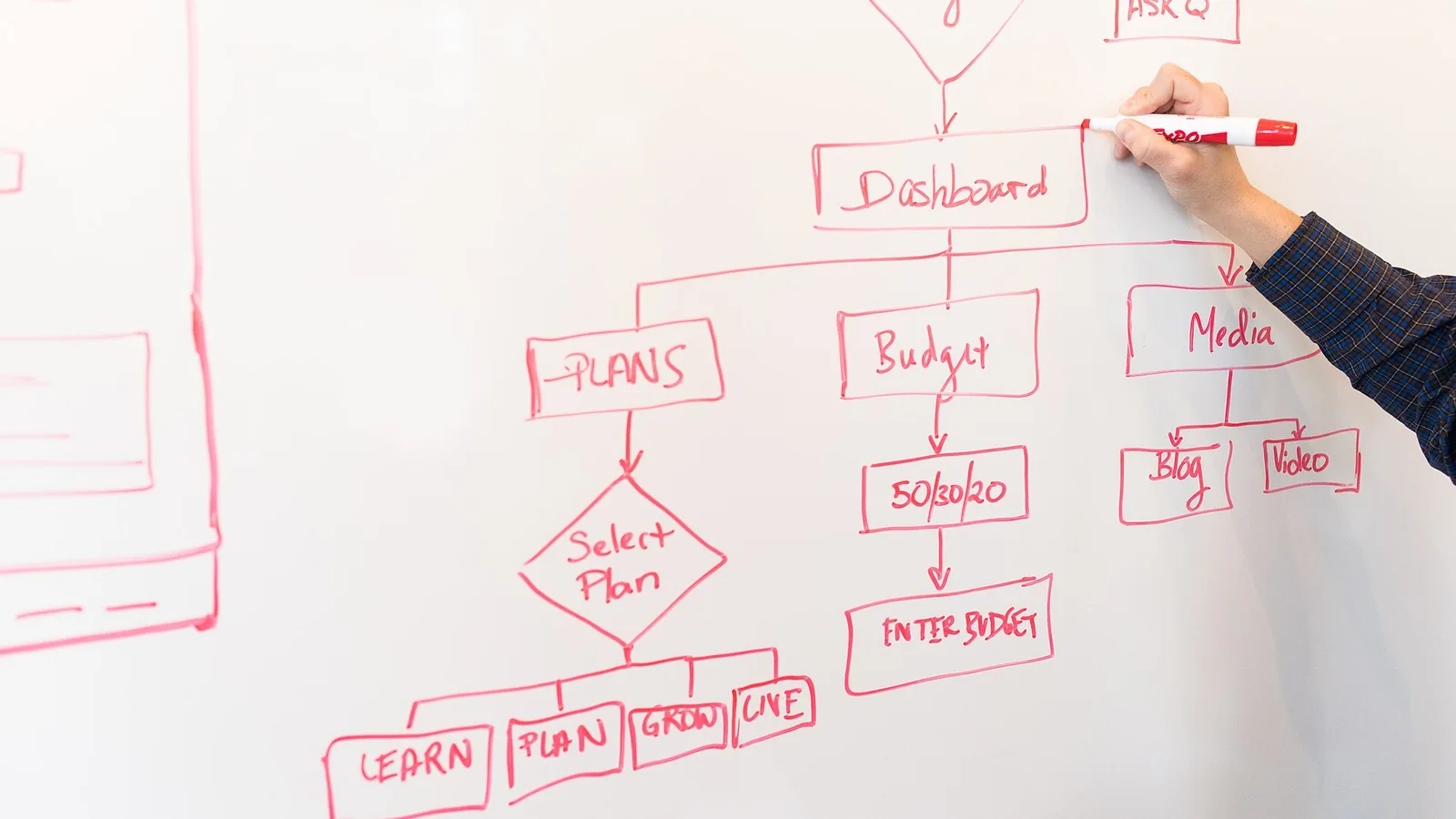
Every commitment gets exactly one named owner and one date. Not “the team”, not “soon”, not two names who will each assume the other will do it. One person, one day.
The owner is not necessarily the person who does all the work. They are the person who will report on it. If a commitment cannot be given an owner in the room, it is not ready to be a commitment. It is an idea, and the meeting is the place to say so. I have also found that owners take the date more seriously when they set it themselves, so I ask them to name the date, then write it where the group can see it. If you want a template for recording the result, the decision log in how to facilitate a group decision online works for this.
Check last time before any new topic
The most effective change I know costs nothing. Open every session by reviewing the commitments from the last one. Before any new topic, before any new complaint, ask each owner: done, in progress, or dropped, and why.
This does two things at once. It makes the commitments real, because they come back in front of the group on a schedule. And it changes the nature of the conversation. When people know their commitment will be read aloud, they either do it or say early that they cannot. Both are better than silence. A retrospective that spends the first ten minutes on what happened to the last one is a team that has stopped letting things disappear.
Lessons learned meeting or after action review
The names vary: retrospective, lessons learned, after action review, a post-mortem with the blame taken out. They are the same idea at different scales: stop, look at what happened and decide what to change. I do not think the label matters much. The questions matter, and I keep them plain. What did we expect? What happened? Why was there a gap? What will we do differently, and who owns it?
Notice that the last question is a commitment, and everything above it is preparation. A retrospective that spends fifty minutes on the first three questions and five on the last has its priorities backward.
End it when it stops producing change
If a retrospective has run for several rounds and nothing it produced has changed how the team works, stop holding it. Say so openly, and say why. It will feel like a failure, and it is actually the honest option.
A ritual that continues after it has stopped working costs hours and trust, and a clear ending is a way of respecting the group. You can bring it back later with a narrower purpose, a different structure or a different owner. What you should not do is keep a hollow meeting alive because cancelling it feels like admitting something. I would sooner have no retrospective than the retrospective nobody acts on.
Before you end it, ask one question of the group: what would have to be true for this meeting to change something? The answer is often small. A sponsor who attends, an owner with the authority to act, or a rule that nothing new is discussed until the old items are closed. If the group can name the condition and you can supply it, give it one more round.
What I would do first
Take the list from your last retrospective and mark every item with its owner and date. Count how many have both. That count is how much of the session you can honestly say was used.
Then run the next one differently: open with the status of the last commitments, limit the new ones to three, and write one owner and one date beside each. If you want to know whether your changes actually work afterward, how to measure whether it worked covers simple ways to check, and a training needs analysis for a small team helps when a retro keeps surfacing the same gap and you are not sure whether it is a skill problem at all. The meeting itself is the lighter lift. Following through on it is the work.
Keep going
How to facilitate group decisions online
Record who decides and what happens next.
How to measure whether it worked
Checking that a change held.
What meeting facilitation is
The role behind a good retro.
How I work
The six steps of an engagement.
Want a retrospective that gets used?
Bring the last list your team made. In a free consult we sort it into three commitments with owners and dates, and plan the check at the next session.