
Insights / Design
How do you build a timed agenda for a 90-minute virtual workshop?
A blank plan tells you what to decide. This page shows how to set the minutes, where to hold buffer and what to cut first when the clock runs out.
By McKinley Malbrough III, J.D., MS-HRM. Published October 22, 2026. Last reviewed October 22, 2026.
Short answer
Split a 90-minute virtual workshop into about two-fifths practice, one-fifth input, and the rest for the open, the apply step, the close and a five-minute break near minute 45. Hold about a tenth as reserve and flex so a late start never costs the practice. Cut the second input first and the first practice last.
Built for this situation
Take it with you
Online Facilitation Skills gear
Made to order. Returns terms are on the Refunds page.See all gear
Who this is for: Facilitators, trainers and managers who plan live online sessions and need minute counts, not only a blank plan.
How many minutes should each part of a 90-minute workshop get?
The session plan template gives you the blank block table. This article sets the minutes. Start from the outcome and the clock, give practice the largest share, and take the break and the reserve out before you spend what is left.
The run of show below is a hypothetical for a workshop on running a weekly team check-in. It adds a break and a reserve to the kind of plan on the template page, which runs the full 90 minutes with no spare minute.
| Clock | Min | Block | What happens | If time runs short |
|---|---|---|---|---|
| 0:00 | 8 | Open | Welcome, norms, a first answer typed in chat | Fixed |
| 0:08 | 4 | Frame | The outcome and a map of the 90 minutes | Fixed |
| 0:12 | 11 | Input one | One idea and one example | Trim to 7 |
| 0:23 | 22 | Practice one | 3 minutes of instructions, 10 in rooms of three, 9 for two reports | Fixed |
| 0:45 | 5 | Break | Cameras off, stand up, back at 0:50 | Fixed |
| 0:50 | 8 | Input two | Builds on what practice one showed | Trim to 4 |
| 0:58 | 16 | Practice two | 2 minutes of instructions, 9 in rooms, 5 for one report | Report down to 2 |
| 1:14 | 8 | Apply | Each person writes one action with a date | Fixed |
| 1:22 | 5 | Close | Recap and evaluation | Fixed |
| 1:27 | 3 | Reserve | Unassigned. Spend it or end early | Spend first |
Practice takes 38 of the 90 minutes, a little over two-fifths. Input takes 19, the open and frame 12, apply and close 13, the break 5 and the reserve 3. Those splits are my practice for this session, not a standard. The rule I hold is that practice gets the largest share and input never does.

Where do you put breakouts in the run of show?
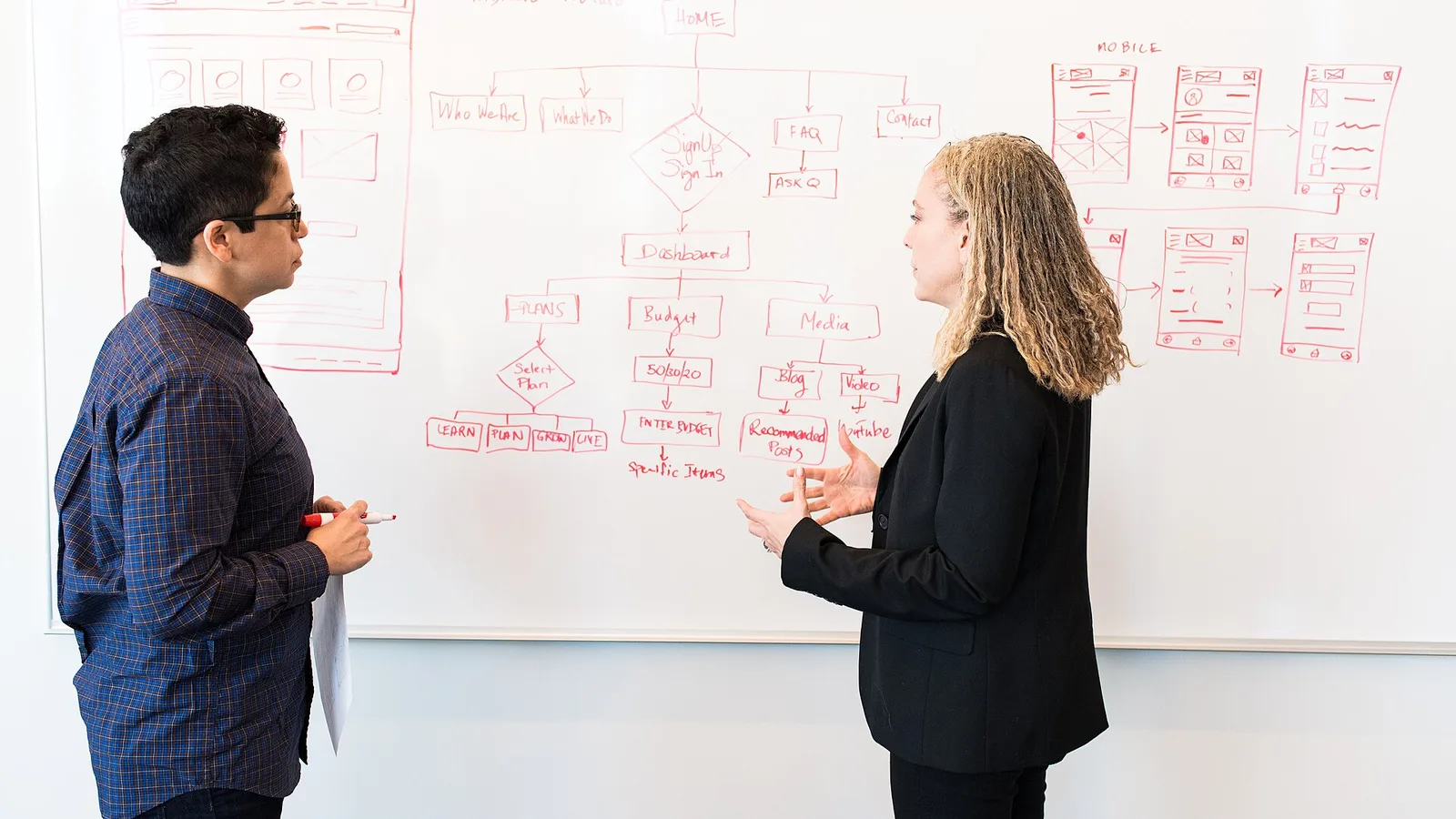
After an input, never before it. People need something to practice. Put the first breakout inside the first 25 minutes and finish it before the break, so the break lands at a natural seam near the 45-minute mark that how long a training session should be recommends for a full 90.
Each breakout has three parts that all take clock time: the instructions, the rooms and the reports. Budget all three. Practice one above is 3 plus 10 plus 9. Groups of three, seven to ten minutes in the rooms and two reports follow how to run a breakout, and the task itself can come from workshop facilitation activities. The mistake I see most is budgeting only the rooms.
Energy is the other question. A common claim is that attention collapses after 10 to 15 minutes. N. A. Bradbury’s review in Advances in Physiology Education found the available primary data do not support a 10 to 15 minute limit, and that attention varied more between teachers than between lecture formats. So I do not switch activity on a stopwatch. I keep input short because practice is where people learn.
How much buffer should you build in?
Build two kinds. Reserve is unassigned time. Flex is assigned time you have already decided to give back. In the plan above the reserve is 3 minutes at the end, and the flex is 4 minutes in input one and 4 in input two. That is 11 minutes of give in a 90-minute slot, a little over a tenth. It is a working figure from my practice, not a research finding.
If the start slips by three minutes, the reserve absorbs it and nothing else changes. If it slips more, move to the cut order below. Ending a few minutes early costs nothing and buys credibility.
Do not count the break as buffer. A small Microsoft Human Factors Lab study of 14 people found that stress-related brain activity built up across back-to-back video meetings and stayed steady when ten-minute breaks separated them. The study is small and its breaks were longer than mine, so I read it as support for keeping a break, not for a particular length.
What do you cut first when the session runs long?
Decide the order before the day, when you are calm. Mine, with the minutes it frees in the plan above:
- Spend the reserve: 3 minutes
- Trim input two from 8 to 4: 4 minutes
- Trim input one from 11 to 7: 4 minutes
- Cut the report in practice two from 5 to 2: 3 minutes
- Shorten the open from 8 to 5: 3 minutes
That frees 17 minutes before you touch a breakout, the break or the apply step. Practice one stays whole because practice is where the learning happens, and apply stays because it is the action people leave with. If the clock still demands more, shrink what the session promises, not its practice. Say what you will not cover and send it as a page to read.

How do you time a session across time zones?
Write the run of show in minutes from the start, and put the start time in each attendee’s local time in the invite. Then check the dates, because countries change their clocks on different days. In the U.S., daylight saving time runs from the second Sunday in March to the first Sunday in November (15 U.S.C. section 260a). In the EU, summer time ends on the last Sunday in October (Directive 2000/84/EC).
That opens a one-week gap in 2026. A hypothetical session at 9:00 a.m. Pacific is 5:00 p.m. in London on October 22. EU clocks go back on October 25, so on October 26 the same session is 4:00 p.m. in London. The U.S. goes back on November 1, and from November 2 it is 5:00 p.m. again. Nothing about the session changed, but the invite should show it. For the fairness side of scheduling, read whose morning is it.
How do you rehearse the timing before the day?
Say it aloud with a timer. Read every instruction slide out loud. My rule is that an instruction that takes more than about 30 seconds to say is too long for a slide. Time how long it takes you to open the rooms and bring people back on your platform, and add that to each breakout. Run the first 12 minutes at full speed, because the open and frame set the pace for everything after.
Keep the sheet. Write the actual minutes beside the planned ones during the session, then use the notes column on the template to correct the next version.
Timed agenda FAQ
How many minutes should a 90-minute workshop spend on practice?
In the hypothetical plan, 38 of 90, a little over two-fifths. Practice should get the largest share and input should not.
Where should the break go in a 90-minute workshop?
Near the 45-minute mark, after the first practice round, so it falls at a natural seam.
How much buffer should a workshop agenda have?
About a tenth: reserve minutes at the end plus flex minutes inside the input blocks. That is my working figure, not research.
What should I cut first when a session runs long?
The reserve, then input two, then input one, then the report time in the second practice. Keep the first practice, the break and the apply step.
Time your next session on paper first
Open your last plan and add a break, a reserve and a cut order. If the minutes still add up to more than 90, the plan has too much in it. Start from the session plan template, which has a free Word download with no sign-up. To plan a session with me, book a free consult.
Where these numbers come from
| N. A. Bradbury, Attention span during lectures: 8 seconds, 10 minutes, or more? Advances in Physiology Education 40(4):509-513 (2016), via PubMed | Accessed October 22, 2026. The abstract concludes that the available primary data do not support a 10 to 15 minute attention limit. |
| Microsoft Human Factors Lab, Research Proves Your Brain Needs Breaks (April 20, 2021), WorkLab | Accessed October 22, 2026. Fourteen participants wore EEG caps in video meetings, compared back-to-back with meetings separated by 10-minute breaks. Small sample. |
| 15 U.S.C. section 260a, advancement of time or changeover dates (GovInfo) | Accessed October 22, 2026. Read in the 2011 edition, which reflects the 2005 amendment (Pub. L. 109-58). Confirm against the current edition. |
| Directive 2000/84/EC on summer-time arrangements (EUR-Lex) | Accessed October 22, 2026. Summer time ends on the last Sunday in October. |
| Facilitation session plan template (this site) | The block table the run of show extends. The run of show above is a hypothetical, not a record of a past session. |
All sources accessed October 22, 2026.
McKinley Malbrough provides education and is not an attorney. Contacting him creates no attorney-client relationship. If you have a legal question or need legal advice, contact an employment attorney.
Related reading: How to cut lecture time in a 60-minute virtual session.
Keep going
How long a training session should be
Setting the ceiling before the minute counts.
How to run a breakout room
Groups, deliverables and the time you enforce.
How to open a virtual session
The first ten minutes.
Whose morning is it?
The cost of scheduling across time zones.