
Field notes / Practice
You Do Not Own the Room: Why the Best Facilitators Hand It Back
Owning the room is a presenter's idea. A facilitator's job is to give the room back to the people in it, quickly and on purpose.
By McKinley Malbrough III, J.D., MS-HRM. Published October 21, 2026.
Short answer
Owning the room is a presenter's goal, and it is the wrong one for a facilitator. A facilitator gives the room back: share the first and last word, hand the group the pace, and judge the session by how much the participants talked, not how well you did.
Built for this situation
Take it with you
Online Facilitation Skills gear
Made to order. Returns terms are on the Refunds page.See all gear
Why "own the room" is the wrong goal
Training advice is full of the phrase. Own the room. Command the room. Walk in like you belong. It comes from presenting, where the speaker holds the attention of an audience, and it is good advice for that job. I have stopped using it for facilitation, because the phrase quietly assumes the wrong relationship. If you own the room, everyone else is a guest in it.
A facilitator's authority is a different kind. It rests on the group's trust that the process is fair, that time is respected, and that what they say will be used. None of that comes from filling the room with yourself. Most of it comes from leaving space.
What commanding a room costs
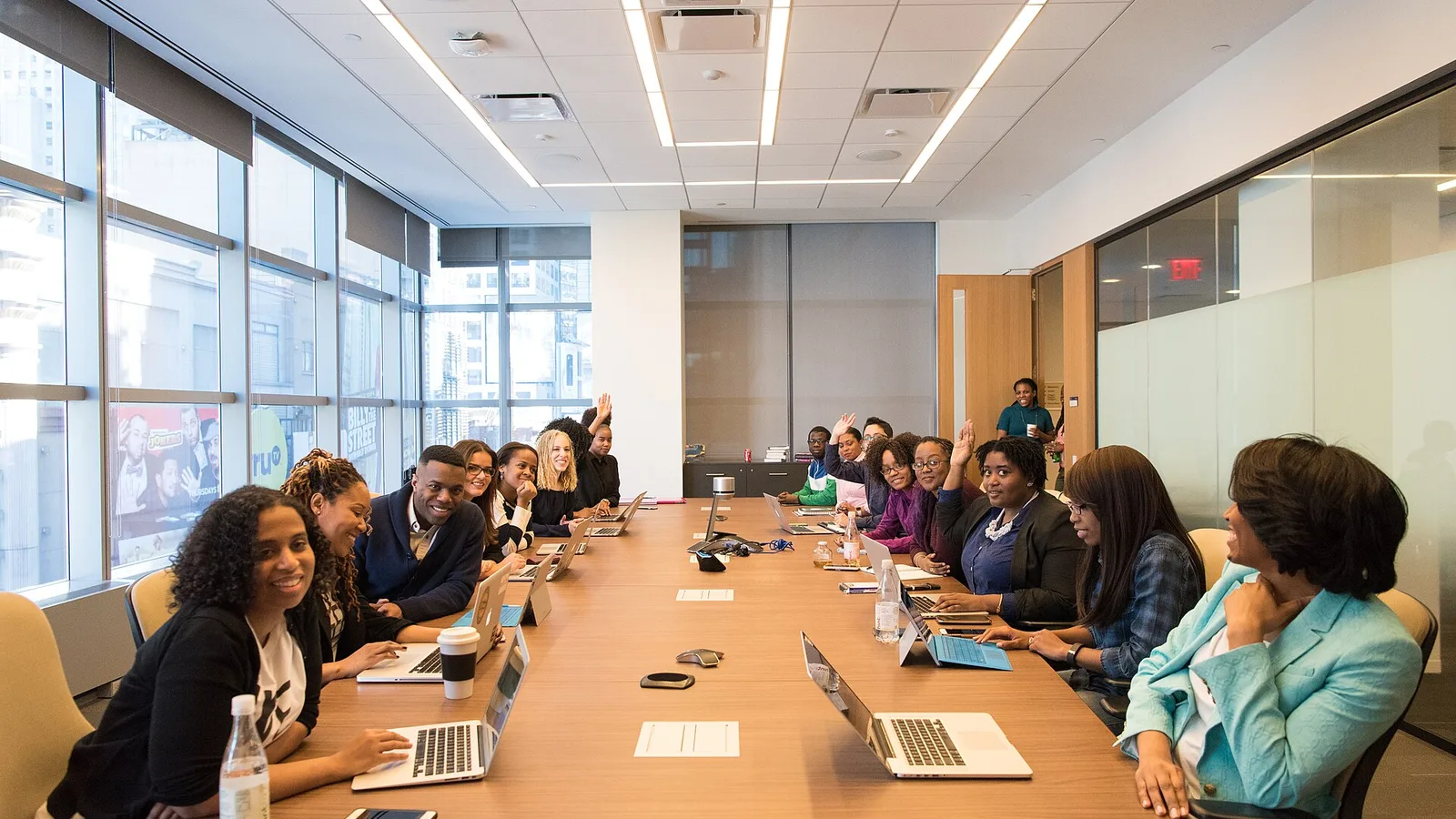
When a facilitator commands the room, three things happen, and I have watched all three. People start talking to the facilitator instead of to each other. Questions get answered with what the facilitator seems to want. And the quietest people, who often hold the most useful information, learn that the room is not theirs and stop trying.
This is the cost of commanding a room versus facilitating one. The presenter-led room produces agreement, because everyone is watching one person. The facilitated room produces something the group built, which holds up after the session ends. If the aim is for people to use the material on Monday, the second room is the one you want.
On video the effect is sharper. A presenter fills the screen, and the attendees shrink into small tiles that can be ignored. The easiest thing to do in a video session is to stop participating, and a commanding facilitator makes that choice easy.
What facilitator presence actually is
Presence is real, and I do not want to argue it away. A facilitator who shuffles, hedges and apologizes for the session undermines it. But facilitator presence is attention, not volume. It is the sense people have that you are watching the group, that you noticed the person who started to speak and stopped, and that you will not let the clock or the loudest voice decide.
This is the heart of presenter vs facilitator. A presenter's presence draws attention to the speaker. A facilitator's presence directs it away, toward the group. ATD notes that the best trainers spend more time guiding learning than lecturing. I take that as the standard: the more the room is about you, the less it is about the work. My longer take on the difference is in facilitation vs presenting.

Hand the room back: share the first and last word
The first and last word set the tone and the memory of a session, and both belong to the participants as much as to you. I open with a question the group answers in the first couple of minutes, so the first voice in the room is not mine alone. The first six minutes carry more weight than most facilitators plan for, and the first six minutes decide the session makes that case.
I also close by asking the group to say what they are taking away, in their words, before I say what I hoped they would. I have learned more from the gap between the two than from any feedback form. If I always have the last word, I never find out what actually landed.
Give the group the pace
The pace is a quiet form of ownership. A fast, confident session tells the room that your timing is the only timing that counts. Handing the pace back means asking whether the group needs more time, giving them a minute to write before they speak, and waiting longer than feels comfortable after a question.
I wrote about the discomfort of that wait in the habit I brought back from the camera. The moves that make it work, such as wait time, round robin and a visible timer, are laid out in facilitation techniques for live online sessions. They are the practical method for this whole argument.
Breakouts are the other lever. When the group works in pairs or threes, the room is visibly not mine: I am not in the conversation, and the people in it are doing the thinking. I try to put a breakout early, before anyone has settled into the habit of being an audience, because the first ten minutes of a session decide whether people expect to speak.
Measure the session by how much they talked
If the aim is to give the room back, the measure of a session is how much of it belonged to the participants. Not how smoothly I presented, and not how polished my slides were, but how many different people spoke, how many wrote in chat, and how much of the work product came from them.
You do not need software. After a session, ask three questions. Who spoke more than once, and who not at all? Did the group build the output, or did I? Would the group be able to repeat the process without me? If the honest answers are few, mine and no, I owned the room, and the learning will not last. For ways to check results beyond the session itself, see how to measure whether it worked.
What handing the room back is not
It is not abdication. Giving the room back does not mean having no plan, no structure and no spine. The IAF Core Competencies describe a facilitator who plans the group process and guides the group to appropriate and useful outcomes, and who also trusts the group's potential. Both halves are in the job.
A facilitator who hands over everything leaves the room with no direction, and a group without direction will fill the space with its loudest voice. Handing back works because of structure: clear purpose, clear time, clear turns. The structure is yours. The content and the conclusions are theirs.
That balance moves with the group. A new team may need more structure from me for the first hour, and a team that has worked together for years may need almost none. The skill is reading which one is in front of me and adjusting, then letting the structure thin out as the group takes over.
What I would try first
Pick one session and change one thing: move your own words out of the first and last three minutes. Open with a question to the group, and close with theirs. Then notice the difference in who speaks.
If you want a place to practice it with feedback, Run the Room Online is the live program built around running a room where people speak without being called on. The room was never yours. The skill is making that obvious to everyone in it, including you.
Keep going
Facilitation vs presenting
The difference in how you deliver.
Facilitation techniques for live online sessions
Eight moves for handing the room back.
The habit I brought back from the camera
The four seconds I almost cut.
Run the Room Online
The live program for this skill.
Want to practice handing the room back?
Bring a session you run. In a free consult we find the moments where the room is yours and move them to the group.