Field notes / Facilitation
The habit I brought back from the camera
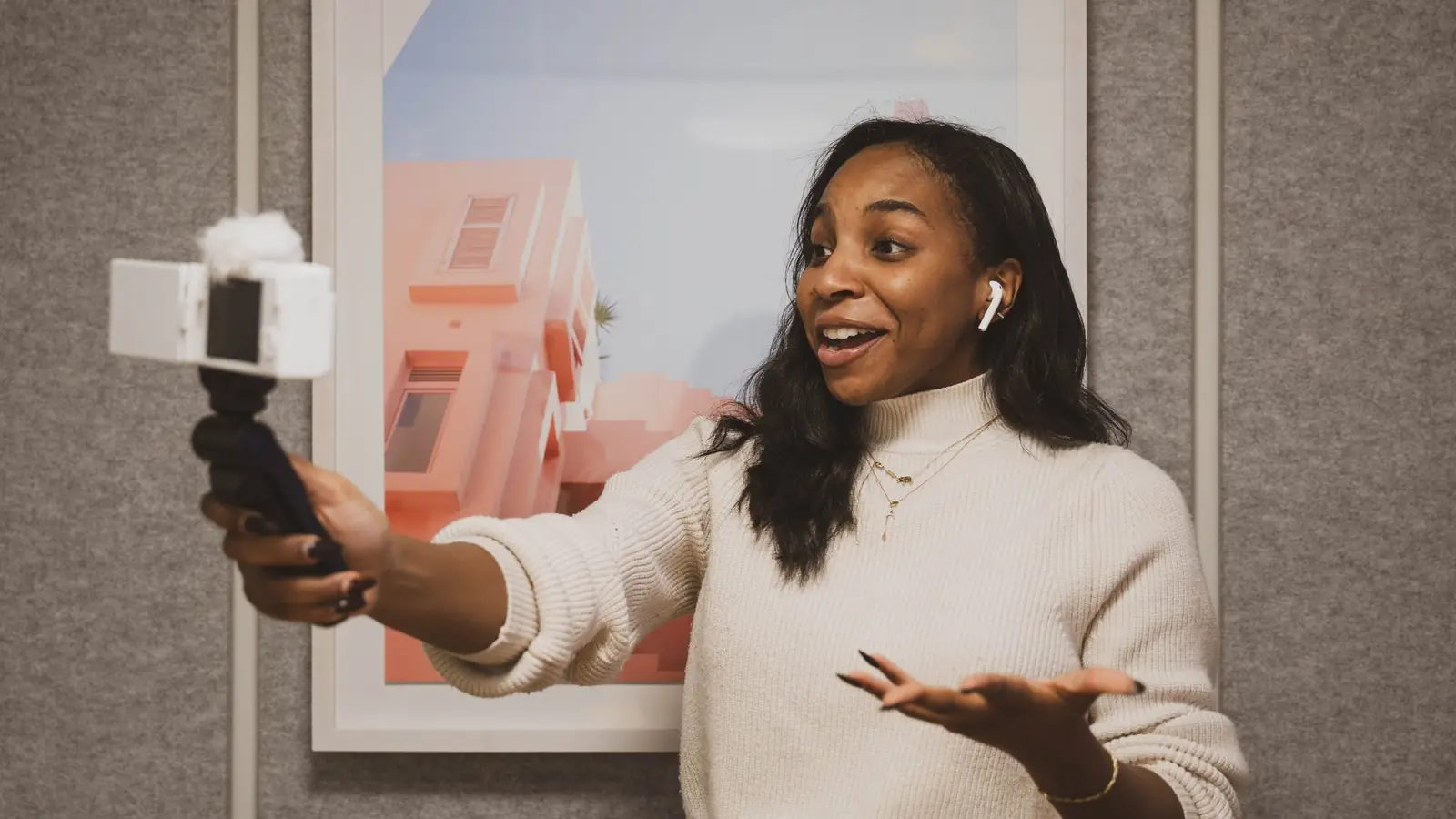
I spent a morning cutting pauses out of video because the retention curve punished them. That afternoon I filled one in a live room at four seconds, and somebody lost what she was about to say.
By McKinley Malbrough III, J.D., MS-HRM. Published October 2, 2026.
Short answer
Editing video trains you to treat silence as a defect. Facilitating a live session requires the opposite, and the habit crosses over without asking permission. I filled a pause at four seconds and it felt like patience. The number to beat is one.
The morning
I had six short videos to cut and the same note on every one of them. There is a pause at eleven seconds and the retention curve falls off a shelf right there. It is not a long pause. It is me thinking, the way a person thinks before the next sentence, and on a feed that reads as nothing happening. So I cut it. I cut the one at nineteen seconds too. By the fourth video I was not finding pauses in the edit anymore. I was not leaving them in the take.
The afternoon
Cohort of nine, second session, the part where I ask a question I actually want answered rather than one I already have a slide for. I asked it. Nobody moved. I gave it what felt like a long time and then I said something, a rephrase, the kind of thing that sounds like helping. A participant unmuted about a second later and said, I was going to say something, and then stopped, and said, it is gone now. She was not annoyed. She was being accurate.
What the clock said
Four seconds. I know because I run these recorded for my own review, and I went back and counted the frames. Four seconds felt long to me because I had spent the morning training myself that one second was already too much. The eight count I teach is not a style preference. Mary Budd Rowe timed this and found the gap between a question and the teacher filling it averaged about one second, with answers lengthening and unsolicited contributions rising once it ran past three. I was at four and I was certain I had waited too long. That is what a trained reflex feels like from the inside. It does not feel like a habit. It feels like judgement.
Why it transferred so fast
Because both jobs are the same thing wearing different clothes, which is exactly what makes this dangerous. Both are holding attention with your voice, and that similarity is close enough that the brain files them in the same drawer. The split is one decision: on camera you are optimizing for retention, meaning keep them watching, and in a room you are optimizing for participation, meaning get them talking. Those two goals want opposite behavior at precisely one moment, the pause after a question, and that moment is where the whole session turns. Everything else transfers cleanly. The open, the pacing, reading a signal you cannot fully see. This one inverts, and it inverts silently.
What I do now
I separate the days when I can, and when I cannot, I do the wait count out loud before the first session. Eight, slow, to nobody. It sounds absurd written down and it works, because the problem is not knowledge. I teach this. I built a tool for it. I still filled a silence at four seconds because I had spent four hours that morning rehearsing the opposite. Knowing the number does not protect you from the reflex. Only re-running the reflex does.
The part that is not about me
Organizations are putting social media creators into training roles and training people into content roles on the assumption that both are communication. They are, in the way that a sprint and a marathon are both running. If you move somebody between these two jobs, name the habit that has to come out before they get a room, which is the same honesty a serious career development conversation demands about any move. For somebody arriving from camera, it is the filling instinct, and it costs them the quietest person in the cohort, who was going to say the most useful thing. For somebody going the other way, it is the scaffolding, and it costs them the first three seconds. Neither of them will spot it alone, because from the inside it does not feel like a habit. It feels like being good at this.
Keep going
Facilitation vs presenting
The full breakdown of which camera skills transfer and which invert.
Wait trainer
Time your own pause before you decide it is long enough. Free, no email.
When Nobody Talks
Self-paced, $95. Both pauses, and the eight count.
Running sessions and making content in the same week?
Bring me the session you have to run next. Twenty minutes finds the habit that is working against you in it.