
Insights / Legal
Your policy is in Spanish. Your training was not.
California tells you to translate the policy at 10 percent. It says almost nothing about the room. That gap is where the training quietly stops working.
By McKinley Malbrough III, J.D., MS-HRM. Published September 29, 2026.
Short answer
The 10 percent translation rule in 2 CCR 11023(e) attaches to the harassment policy, and Government Code 12950 attaches a parallel duty to the poster. The training itself has no equivalent threshold in the statute. So an employer can hold a clean compliance file and a session nobody in the back row followed. Translation is written and interpretation is spoken; buy the second one for any session where a participant might have to describe something difficult and be understood exactly.
What does California actually require in another language?
Two things, and neither of them is the training. Under 2 CCR 11023(e), an employer whose workforce at any facility or establishment is 10 percent or more speakers of a language other than English must translate the harassment, discrimination and retaliation prevention policy into every language spoken by at least 10 percent of that workforce. Government Code 12950 imposes a parallel duty on the workplace poster. The harassment prevention training under Government Code 12950.1 carries no equivalent translation threshold written into the statute. The Civil Rights Department publishes its own courses in several languages, which tells you what the state expects in practice, but the mandate that names a percentage attaches to the policy and the poster.
So can I be compliant and still have trained nobody?
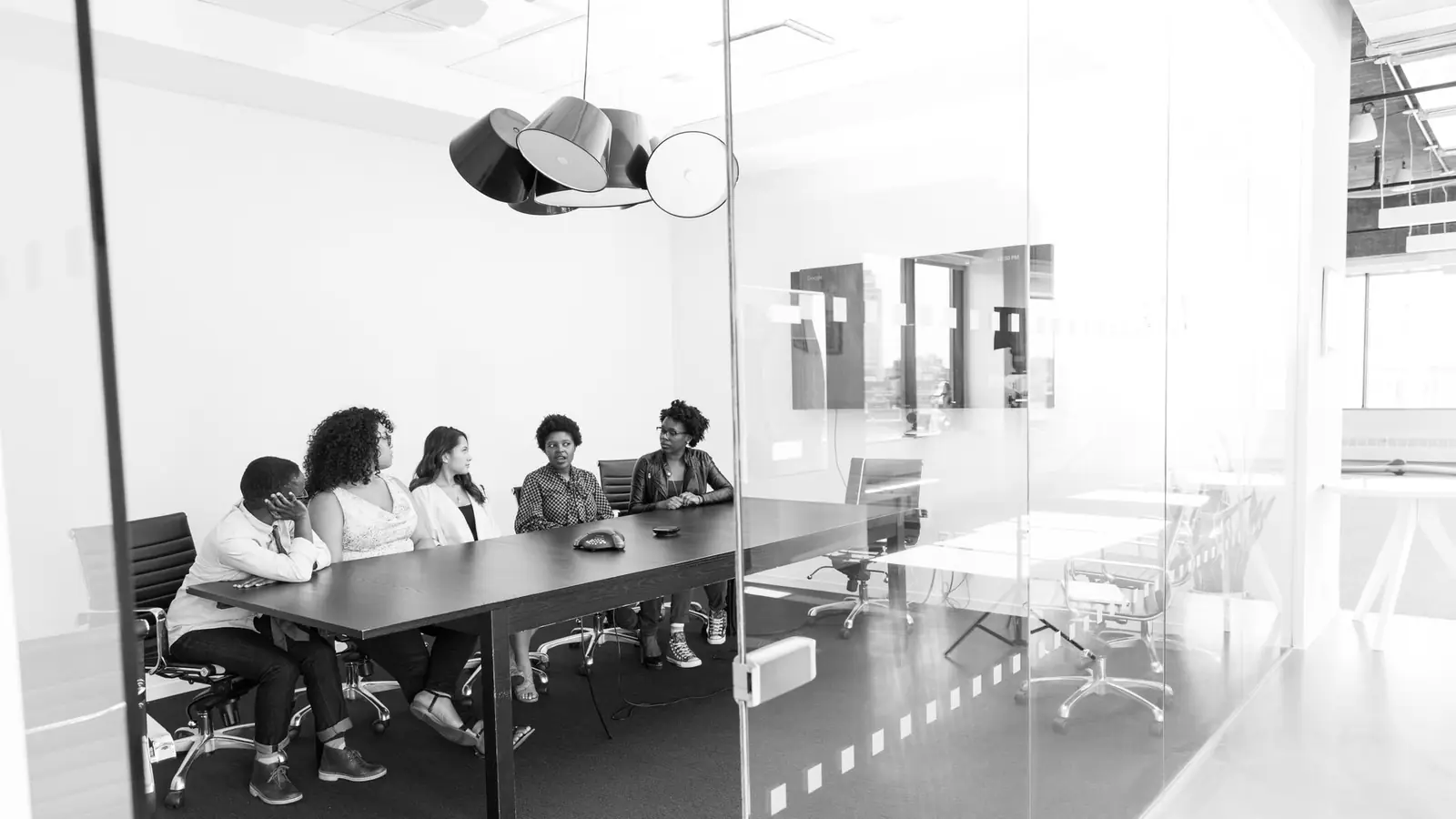
On paper, yes, and that is the problem worth naming. An employer can translate the policy, post the poster in the right languages, run a session in English, collect signatures, and file a clean record. The compliance clock resets. Nothing in the room changed. The training requirement says the session has to be interactive, and interactivity that the participant cannot follow is a formality with a roster attached. The risk does not show up at the compliance audit. It shows up later, when somebody who sat through that session does not report something, and the question becomes whether the employer took all reasonable steps to prevent it.
What is the difference between translation and interpretation?
Translation is written, interpretation is spoken, and they are two different purchases. Your policy, your slides, your handouts and your job aids get translated. Your live session gets interpreted, in real time, by a person. Organizations routinely buy the first and assume it covers the second, then discover in the room that a colleague is whispering a running translation to three people in the back. That colleague is now doing unpaid, unqualified interpretation of legal content, and nobody has checked whether it is accurate.
How does an interpreted session actually run?
Assume half your content. Simultaneous interpretation runs close to real time but consumes attention on both sides; consecutive interpretation, where you speak and then stop, doubles your clock outright. Plan the session at half the material you would cover in English and stop trying to recover the difference. Speak in complete thoughts of two or three sentences, then pause. Avoid idiom, sports metaphor and anything that depends on wordplay, because an interpreter has to either render it literally or invent a replacement in real time. Send slides and the interpreter brief in advance. An interpreter who sees your terminology for the first time when you say it out loud is translating a guess.
What changes about facilitation itself?
Wait time. Every pause you take runs through the interpretation lag before the participant even hears the question, then back through it before you hear the answer. If you already count to eight after a question, count past it here. A participant who is composing a response in a second language and waiting on a relay is not slow, they are working two jobs at once, and a facilitator who fills that silence has just told the room that only the fast half is expected to speak. Route questions deliberately rather than taking whoever calls out first, because in a mixed-language room the fastest voice is always the one operating in their first language.

What about AI translation and live captions?
Use them as a floor, not as the answer. Machine captioning and live translation have improved enough to be genuinely useful for orientation content, shift briefings and anything where the cost of a small error is low. They are the wrong tool for harassment prevention, workplace violence, discipline or anything where a participant may need to describe something difficult and be understood exactly. The distinction the industry draws is between low-stakes throughput and high-stakes accuracy, and harassment training sits on the accuracy side. A caption that is mostly right is fine for a product demo and is not fine for the sentence explaining how to report a supervisor.
What should I do first?
Count. Pull the headcount by facility and find out what people actually speak at home, not what is on file. At 10 percent in any one language you have a translation duty on the policy and the poster already, whether or not anyone has told you. Then decide, for each session on the calendar, whether it is a throughput session or an accuracy session, and buy interpretation only for the second category. Most organizations discover they need it for two sessions a year and have been avoiding the question because they priced it as if it were twelve.
The part nobody puts in the compliance report
A person who cannot follow the session does not raise a hand and say so. They do what anyone does in a room built for somebody else. They go quiet, keep the camera off, nod at the right moments and sign the roster. Every signal the facilitator reads as engagement is available to them, and none of it requires understanding a word.
That is the same failure I write about in camera off is not disengagement and in the unwritten rules at work, arriving through a different door. The room was built for one kind of participant, and everybody else learned to perform belonging instead of getting the content.
McKinley Malbrough provides education and is not an attorney. Contacting him creates no attorney-client relationship. If you have a legal question or need legal advice, contact an employment attorney.
Keep going
California live training mandates
Two laws, two clocks, two sets of records.
The Legal Side of Training
Two sessions. Consent, mandates and exposure.
Este sitio en español
Programas, contacto y la guía de California.
Run the count on your own workforce
Bring your headcount by facility and the sessions on your calendar. Twenty minutes tells you which ones need an interpreter and which ones do not.