
Field notes / Capability
Nobody is coming to facilitate your meetings
You can hire me for the important sessions. You cannot hire me for the four hundred ordinary ones a year where the actual work gets decided.
By McKinley Malbrough III, J.D., MS-HRM. Published September 26, 2026.
Short answer
A mid-sized organization runs north of four hundred meetings a year that matter enough to have an agenda, and you will bring in an outside facilitator for perhaps four of them. Outsource the sessions where neutrality is the product or where the facilitator has to be able to leave, and build everything else. Building it takes three things: a one-page session plan format everybody uses, a small group who have practiced the moments that wreck a session, and a rule that material is written so the next person can run it.
The arithmetic that decides this
A mid-sized organization runs somewhere north of four hundred meetings a year that matter enough to have an agenda. You will bring in an outside facilitator for perhaps four of them: the offsite, the reorg, the postmortem on something expensive, the planning session where the leadership team has to agree in a room.
That is 1% coverage. The other 99% are run by whoever booked the room, and that is where the decisions actually get made, or fail to.

What outsourcing does well
It handles the sessions where neutrality is the product. When leadership cannot facilitate a conversation they are a party to, an outsider is not a luxury, it is a structural requirement. Same for anything where the facilitator may need to say something to the most senior person present that an employee cannot safely say.
I take that work and I think it is worth the money. I also think selling it as the answer to how your organization runs is dishonest, because it does not touch the volume.
Why internal capability keeps failing to materialise
Because it gets assigned rather than built. Somebody competent gets handed "you are good with people, run the workshop," and then receives no instruction, no feedback and no material. They do their best, it goes acceptably, and nothing transfers to the next person.
The ATD 2026 figures make the shape of this visible. Formal learning hours per employee rose to 16.7 in 2025 while direct spend fell to $846 per employee. Organizations are consuming more hours of cheaper content. Almost none of those hours are somebody practicing running a room while a person who knows how watches.
What building it actually requires
Less than people expect, and it is not a certification program. Three things: a one-page session plan format everybody uses, a small group who have practiced the four or five moments that wreck a session, and a rule that material gets written so the next person can run it.
That third one is the difference between capability and dependency. If the only person who can run your onboarding session is the person who built it, you do not have a program, you have a bottleneck wearing a program's name.
The failure mode of doing it internally
Politeness. An internal facilitator has to keep working with everyone in the room on Monday, which makes the hard interventions expensive for them personally. Naming that somebody has dominated the discussion is cheap for me and costly for a colleague.
You solve that structurally, by giving internal facilitators explicit authority stated at the top of the session, and by keeping the genuinely political sessions outsourced. Not by hoping they will be braver.
Where the line falls
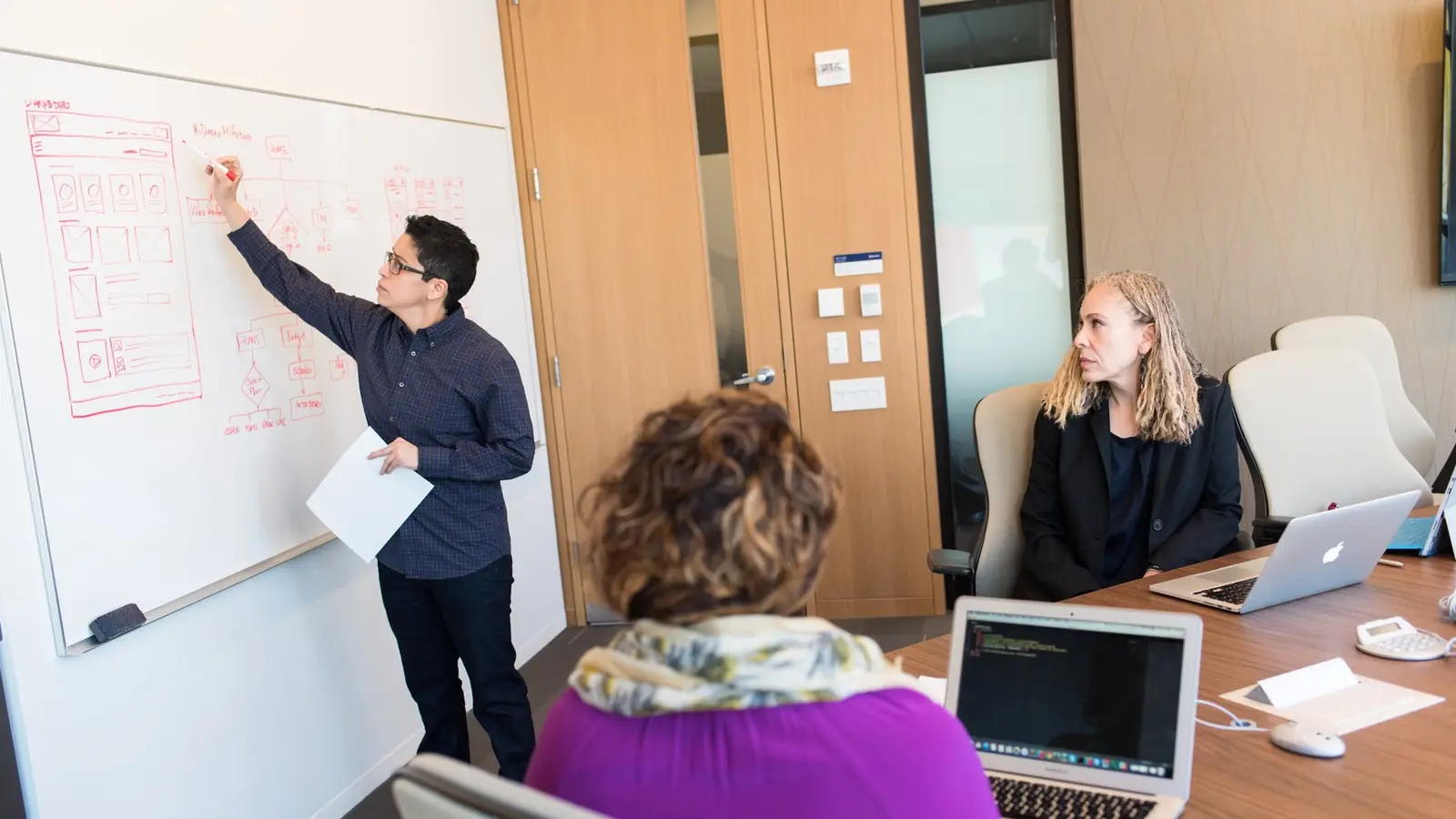
Outsource the sessions where neutrality is the product or where the facilitator has to be able to leave. Build everything else.
This is against my commercial interest to say plainly, so let me say it plainly. The larger, more durable purchase is the one where your people can run the room without me. I would rather sell that and have you back in two years for the sessions only an outsider can run than sell you a dependency.
McKinley Malbrough provides education and is not an attorney. Contacting him creates no attorney-client relationship. If you have a legal question or need legal advice, contact an employment attorney.
Keep going
Insights
Short answers to the questions that come up most.
Programs
Live programs where everyone practices in every session.
How I work
The six steps of an engagement.
Want your own people running the room?
That is what Build the Material and the two-day train the trainer are for. Both end with material somebody else can deliver.